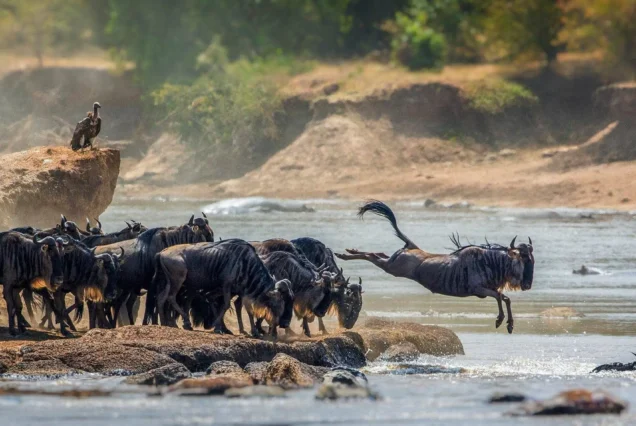

Tanzania is often regarded as “Africa’s Ultimate Safari Destination”, offering some of the most iconic and dramatic wildlife and landscape experiences on the continent. It is a country of superlatives — home to Africa’s highest mountain, largest game reserves, deepest lake, and most famous wildlife migrations.
Here’s the focused summary:
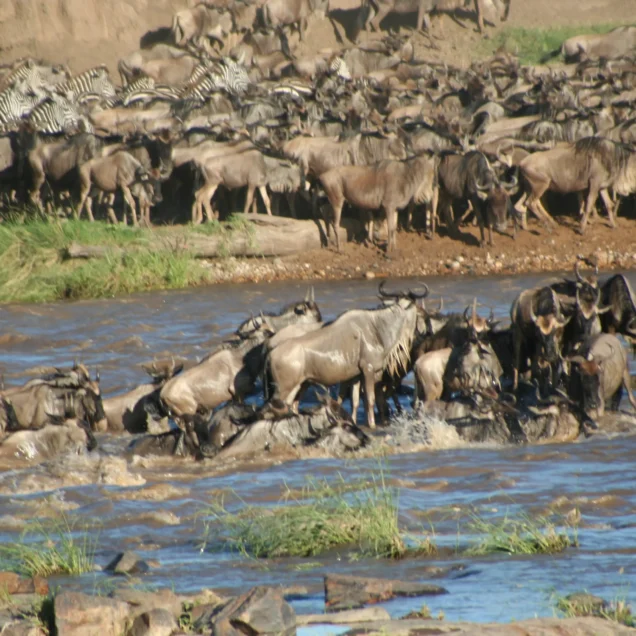
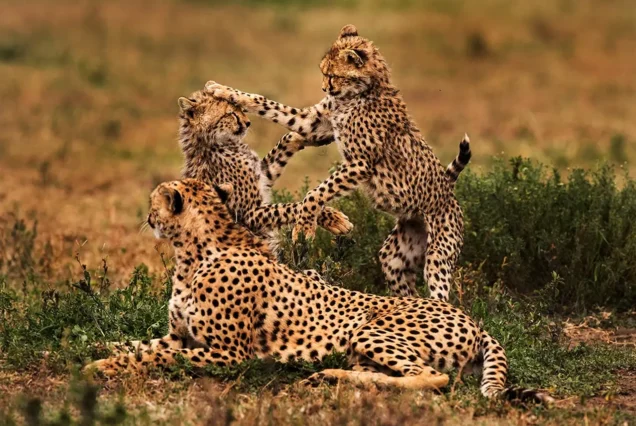
- Wildlife and Safaris: Tanzania is world-famous for its wildlife safaris, particularly in the Serengeti National Park, where the Great Wildebeest Migration unfolds — one of the greatest natural spectacles on Earth. Other major parks include the Ngorongoro Crater (the world’s largest intact volcanic caldera with incredibly dense wildlife), Tarangire (famous for elephants and baobab trees), Selous Game Reserve (one of Africa’s largest protected areas), and Ruaha National Park (a hidden gem for serious safari-goers). Tanzania is one of the best places to see the Big Five and countless other species.
- Natural Landscapes: The country’s landscapes are stunning and varied. They include Mount Kilimanjaro — Africa’s tallest mountain and a world-famous trekking destination, the lush highlands of the north, the Rift Valley lakes like Lake Manyara, volcanic craters, open savannahs, dense forests, and tropical coastlines along the Indian Ocean.
- Beaches and Islands: After safari adventures, many travelers head to Tanzania’s coastal treasures. Zanzibar, the “Spice Island,” offers dazzling white-sand beaches, turquoise waters, historical Stone Town (a UNESCO World Heritage Site), and rich Swahili-Arab culture. Other island destinations include Pemba and Mafia Island, ideal for diving, snorkeling, and relaxation.
- Adventure Tourism: Tanzania is an adventurer’s paradise. Climbing Mount Kilimanjaro is a bucket-list challenge for many travelers. You can also hike in the Usambara Mountains, sail in traditional dhows along the coast, or dive among coral reefs. Hot-air balloon safaris over the Serengeti are another unforgettable experience.
- Cultural Tourism: Tanzania has over 120 ethnic groups, creating a rich mosaic of cultures. Cultural experiences include visiting Maasai villages, Hadzabe hunter-gatherer communities near Lake Eyasi, and Swahili coastal towns. The cultural tourism programs allow visitors to engage meaningfully with local traditions, music, crafts, and food.
- City and Urban Tourism: While Tanzania is more known for its nature, cities like Arusha (the safari capital), Dar es Salaam (the economic hub and coastal city), and Moshi (at the foot of Kilimanjaro) serve as gateways to adventure. Dar es Salaam also offers lively markets, cultural centers, and waterfront restaurants.
- Conservation and Eco-Tourism: Tanzania has a strong focus on conservation, with vast areas of land protected. Community-led conservancies and eco-friendly lodges are becoming more prominent, supporting both wildlife protection and local livelihoods.
- Climate and Accessibility: Tanzania’s climate is tropical but varies by region — it’s cooler in the highlands and hotter along the coast. The best safari seasons are during the dry months (June–October) and for the wildebeest calving season (January–March). Main entry points are Julius Nyerere International Airport (Dar es Salaam), Kilimanjaro International Airport (near Arusha), and Zanzibar International Airport.
Tanzania offers a powerful, authentic, and visually spectacular African experience, combining world-class safaris, towering mountains, pristine beaches, and vibrant cultures, all wrapped in a spirit of raw adventure and natural beauty. 🦓🏞️🏝️✨