Introduction
Africa’s coastline is dotted with some of the world’s most enchanting islands—each boasting its own mix of powder-white beaches, lush interior landscapes, vibrant cultures, and unique wildlife. From the turquoise-lagooned atolls of the Indian Ocean to the volcanic isles off West Africa, these destinations promise both postcard-perfect relaxation and unforgettable adventure. Below are the five most beautiful islands in Africa, each ideal for a long weekend or a full-blown island-hopping escape.
1. Mahé, Seychelles
Overview: As the largest island in the Seychelles archipelago, Mahé combines granite peaks cloaked in verdant rainforest with dramatic white-sand beaches fringed by giant boulders. Its UNESCO-listed Vallée de Mai cousin, Praslin, may steal some headlines, but Mahé’s diverse scenery and Creole culture make it a must-visit.
Highlights:
- Beau Vallon Beach: Stretching over two kilometers of shimmering sand—ideal for swimming, snorkeling, and sunset cocktails.
- Morne Seychellois National Park: Hike through cloud forest to the archipelago’s highest peak, spotting endemic black parrots along the way.
- Victoria: One of the world’s smallest capitals, offering a bustling market, colonial architecture, and the unique “clock tower” landmark.
Best Time to Visit:
- April–May & October–November: Transition months between monsoon cycles, offering calm seas and lush landscapes without the peak-season crowds.
Getting There & Approximate Cost:
- Flights: Daily connections from Nairobi, Johannesburg, and Middle Eastern hubs.
- Daily Budget: From USD 200–300 per person for mid-range guesthouses and car rental.
Insider Tips:
- Rent a small car to explore hidden coves like Anse Major and Anse Intendance at your own pace.
- Sample Creole specialties—like grilled fish with coconut curry—at family-run “take-away” stalls in Victoria’s market.
2. Zanzibar (Unguja), Tanzania
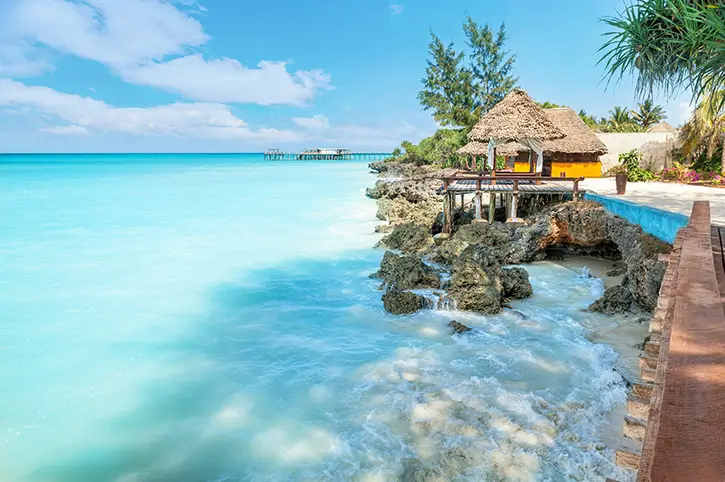
Overview: Just off the coast of Tanzania, Zanzibar Island (Unguja) is steeped in history and romance: a labyrinthine Old Town of carved-door Zanzibar City, sun-bleached beaches, and spice plantations that gave this “Spice Island” its name.
Highlights:
- Stone Town: Wander its UNESCO-protected alleyways, visit the Sultan’s Palace, and soak in the sunset at the iconic Forodhani Gardens food market.
- Nungwi & Kendwa Beaches: Known for their wide sands and gentle tides, perfect for swimming and dhow-boat cruises.
- Spice Tours: Guided walks through clove, cinnamon, and nutmeg plantations reveal the island’s fragrant heritage.
Best Time to Visit:
- June–October: Dry season, cooler temperatures, and excellent visibility for diving on nearby coral reefs.
Getting There & Approximate Cost:
- Flights: Regular regional flights into Abeid Amani Karume International Airport; overnight ferries arrive from Dar es Salaam.
- Daily Budget: From USD 150 per person for comfortable beachfront lodges and guided excursions.
Insider Tips:
- Rise early to experience Stone Town’s market as fishermen unload their catch—try freshly grilled octopus.
- For a quieter stay, head to the east coast villages of Matemwe or Pongwe, where the pace is languid and the beaches pristine.
3. Mauritius
Overview: Satellite to southeast Africa, Mauritius blends volcanic highlands, sugar-cane plantations, and a ring of idyllic lagoons protected by coral reefs. Its mix of Creole, Indian, Chinese, and European influences shine through in cuisine, festivals, and architecture.
Highlights:
- Le Morne Brabant: A UNESCO World Heritage site offering panoramic views from its 556-meter peak—a testament to the island’s marooned communities.
- Black River Gorges National Park: Home to rare endemic birds like the pink pigeon and lively hiking trails through native forests.
- Grand Baie & Flic en Flac: Coastal towns with vibrant nightlife, water sports, and beach-front restaurants serving rougaille and vindaye.
Best Time to Visit:
- April–June & September–December: Warm, sunny days and low rainfall—ideal for beach activities and inland excursions.
Getting There & Approximate Cost:
- Flights: Direct services from Johannesburg, Nairobi, and various Middle Eastern and European cities.
- Daily Budget: From USD 180–250 per person, including mid-range hotels and car hire.
Insider Tips:
- Rent a scooter to explore hidden south-coast beaches like Gris-Gris and Rochester Falls at your leisure.
- Join a local sega dance evening for an authentic taste of Mauritian music and dance.
4. São Tomé, São Tomé & Príncipe
Overview: Often called “Africa’s best-kept secret,” São Tomé is the larger of two islands in this tiny Gulf of Guinea nation. Its volcanic interior, tangled rainforests, and deserted cocoa-plantation ruins draw intrepid travelers seeking off-the-beaten-path beauty.
Highlights:
- Pico Cão Grande: The iconic 370-meter volcanic plug that towers over emerald valleys—visible from miles away.
- Obô Natural Park: Guides lead treks to waterfalls, swallow-tail butterfly habitats, and rare primates like the São Tomé olive colobus.
- Roça Sundy & Roça São João: Restored cocoa estates offering glimpses into colonial-era architecture and farm tours.
Best Time to Visit:
- June–September: The cooler, drier months make hiking and wildlife spotting more comfortable.
Getting There & Approximate Cost:
- Flights: Limited connections via Lisbon or Libreville; schedule flights well in advance.
- Daily Budget: From USD 120 per person, including guesthouses and local guide fees.
Insider Tips:
- Hire a local guide in advance—English isn’t widely spoken, and off-road navigation requires local knowledge.
- Sample “cafê de pilão,” the island’s intense local coffee served with sweetened condensed milk.
5. Nosy Be, Madagascar
Overview: Off Madagascar’s northwest coast, Nosy Be is the archipelago’s most developed island resort, yet retains wild charm with its ylang-ylang plantations, volcanic lakes, and jagged islets offshore. It’s a jumping-off point for some of Madagascar’s most famous endemic wildlife and marine reserves.
Highlights:
- Lokobe Reserve: A pocket of lowland rainforest where you can track black lemurs and chameleons alongside expert guides.
- Diving & Snorkeling: Pristine coral gardens and shipwrecks in marine parks around Nosy Tanikely and Nosy Iranja—often called “The Island of Lovers.”
- Hell-Ville: The island’s capital, offering colorful markets, colonial architecture, and the avenue of ancient cautious baobabs.
Best Time to Visit:
- April–November: Outside cyclone season, with calm seas and excellent visibility for underwater adventures.
Getting There & Approximate Cost:
- Flights: Weekly connections from Antananarivo and charter options from Mayotte and Réunion.
- Daily Budget: From USD 140 per person, including beachfront bungalows and guided excursions.
Insider Tips:
- Join a traditional pirogue (outrigger canoe) tour at sunrise to see Nosy Komba’s lemurs waking up in the treetops.
- Try the fresh catch of the day—grilled red snapper with coconut rice—at one of the beach-side huts.
Bonus: Diani Beach, Kenya
Overview: Nestled along Kenya’s South Coast, Diani Beach is a tropical oasis renowned for its endless stretch of white coral sand, swaying palm trees, and warm Indian Ocean waters. Fringed by a vibrant coral reef, it offers calm swimming conditions, world-class kitesurfing, and a laid-back atmosphere that appeals equally to families, couples, and solo travelers.
Highlights:
- Aquatic Adventures: Snorkel or dive among colorful reef fish and sea turtles, glide across the waves on a kiteboard, or take a glass-bottom boat trip to spot marine life without getting wet.
- Kaya Kinondo Sacred Forest: Just inland, explore this ancient coastal forest—home to centuries-old baobabs, medicinal plants, and guided by the local Digo community.
- Shimba Hills Excursion: A short drive north brings you into the Shimba Hills National Reserve, where you can track the rare Sable antelope, spot elephant herds at a watering hole, and admire dramatic cliff-top views.
- Beachfront Dining & Nightlife: From seafood-fresh “nyama choma” (grilled meat) shacks to chic cocktail bars, you’ll find everything from local Swahili flavors to international cuisine, often accompanied by live taarab or Benga music.
Best Time to Visit:
- December–March & July–October: These months offer the driest, sunniest weather—July–October also brings steady afternoon breezes ideal for kitesurfing.
Getting There & Approximate Cost:
- Transport: Fly into Mombasa’s Moi International Airport, then take a 45-minute transfer south to Diani Beach by road or shuttle boat.
- Budget: Mid-range beachfront cottages start around USD 100 per person per night; water-sport excursions typically begin at USD 50.
Insider Tips:
- Book an early-morning dhow cruise for a chance to swim with wild dolphins, followed by a freshly prepared seafood breakfast on Peponi Island.
- Rent a scooter or quad bike to explore secluded coves north toward Tiwi and south past Chale Island—don’t miss the natural tidal pools at low tide.
- Sample the local “urojo” street soup, a tangy mix of fish broth, cassava crisps, and mango chutney, for a true taste of coastal Swahili cuisine.
Conclusion
From the sun-kissed shores of Seychelles and Zanzibar to the hidden volcanic peaks of São Tomé, Africa’s islands offer an extraordinary range of landscapes, cultures, and wildlife encounters. Whether you seek romance, relaxation, or rugged adventure, these five destinations deliver an island-hopping experience that transcends the ordinary—and leaves you yearning for more. Pack your bags, book that ferry or flight, and let the islands of Africa enchant you.